
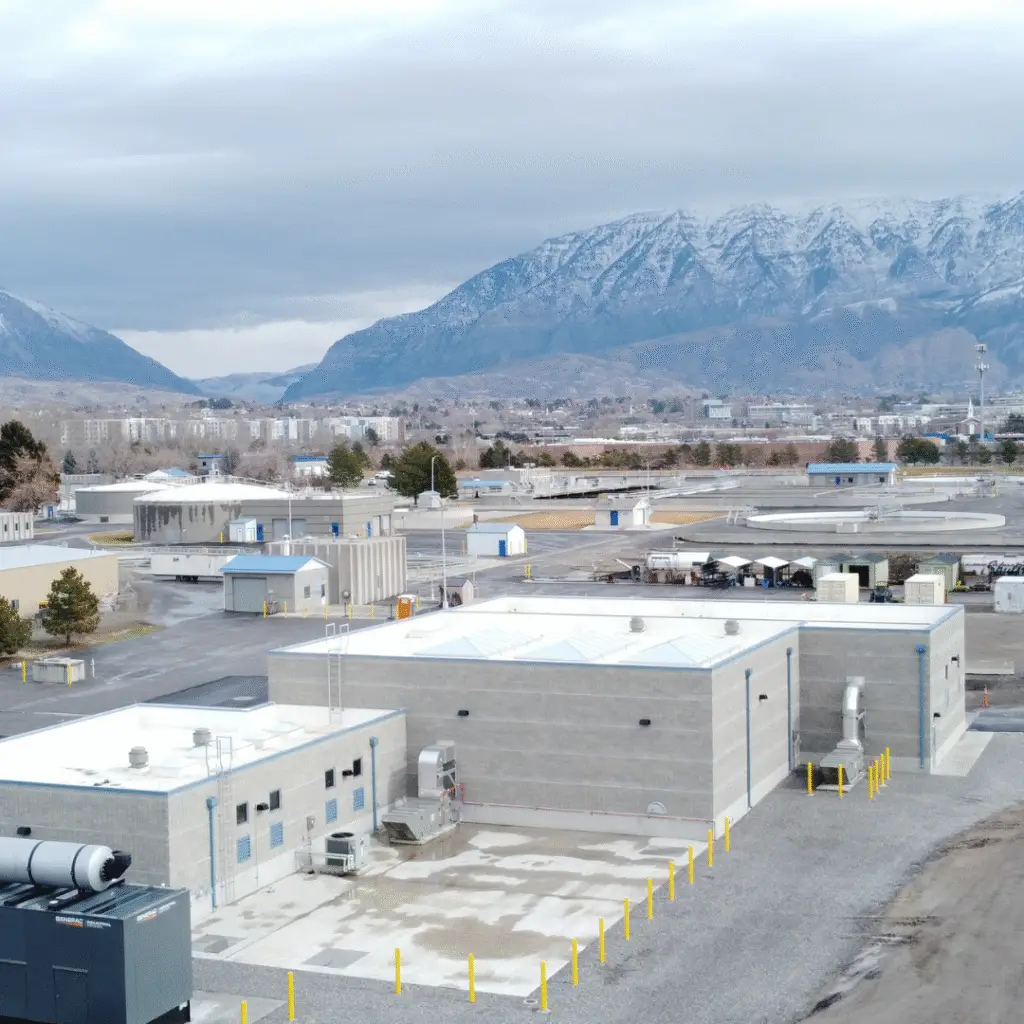
To provide further clarity on our switch to recycled irrigation water at Sleepy Ridge Golf Course and Lakeside Sports Park, we’ve compiled the following answers to common questions. Our goal is to ensure the community feels informed and confident in this transition.
Frequently Asked Questions
What is water reuse?
Water reuse, or water recycling is the process of taking water that has been used—such as water from our sinks, showers, or toilets—and cleaning it so it can be used again for a beneficial purpose like irrigation. The water is treated at a wastewater treatment plant to a level that is clean enough to release into streams, rivers, and lakes. Recycled water is further treated to a higher standard suitable for irrigation.
Where will reuse/recycled water be used?
Reuse/Recycled water will be used to irrigate the Sleepy Ridge Golf Course, Lakeside Sports Park, and eventually Springwater Park. Other parks around the City will continue to be irrigated with potable water.
Is it safe?
Recycled water is generally considered safe for landscape and agricultural irrigation when properly treated and regulated. It provides a sustainable, nutrient-rich alternative to potable water containing beneficial nitrogen and phosphorus. However, it is not for human consumption, and its higher salinity levels may require management to avoid affecting sensitive plant species.
Does recycled water smell?
Significant odors are not expected. Modern wastewater treatment uses advanced filtration and disinfection processes that remove the organic matter responsible for odors. In most cases, it is indistinguishable from standard pond or well water.
Should I take any precautions when around recycled water?
- Don’t drink from the sprinklers.
- Wash your hands if you’ve been playing on a freshly watered lawn.
- Avoid direct, prolonged exposure if you have deep, open cuts.
- Avoid standing directly in the fine mist of a high-pressure sprinkler for long periods to avoid inhaling water droplets.
- Efforts have been made in irrigated areas to ensure sprinklers are aimed at the grass as much as possible.
- Signs have been placed in strategic areas to remind visitors of the parks and golf course irrigated with recycled water not to consume sprinkler water.
When will recycled water be used for irrigation?
Sleepy Ridge Golf Course and Lakeside Sports Park will begin using recycled water for irrigation in the spring of 2026. Springwater Park and the grounds at the Water Reclamation Facility will also use recycled water in the near future.
How much water will be reused?
Approximately 1.67 million gallons of recycled water will be used to irrigate the Sleepy Ridge Golf Course, Lakeside Sports Park, Springwater Park and the grounds at the Water Reclamation Facility each day during the middle of the summer.
What are the benefits of reusing water?
- Reduces the need for pumping groundwater from our deep wells leaving more water for future use.
- Reduces the need for chemical fertilizers.
- Along with water conservation efforts, it helps meet the ever increasing demands for water.
- Improves sustainability.
Why does the water have a "purple" designation?
The color purple is the international standard used to identify non-potable (non-drinking) water systems. You will see purple signs and irrigation components which helps maintenance crews and the public easily distinguish the lines from the clean culinary water lines that run to your home.
Will the wind blow mist into my yard?
Irrigation is scheduled during late-night and early-morning hours when winds are typically lowest. While a fine mist is possible, the disinfection process ensures that the water is safe. As a standard precaution, we recommend not leaving laundry or food out nearby during active irrigation hours.
Are there any chemicals I should be worried about?
The water is continuously monitored to ensure it meets strict environmental standards. While it contains slightly higher levels of nitrogen and phosphorus (which actually acts as a natural fertilizer for the grass), it is filtered and disinfected to remove harmful pathogens and bacteria.
How does the treatment system work?
After wastewater has completed the treatment and disinfection process, the flow is directed through an additional treatment process to filter out particulates that were not previously removed and dosed with a small amount of chlorine. Recycled water is then pumped to the Sleepy Ridge Golf Course and Lakeside Sports Park where it is used for irrigation. When irrigation water is not needed, the system will switch to a nutrient removal process to remove phosphorus to a concentration below the regulatory requirement of 1.0 ppm.
How was the system funded?
User fees paid for about 50% of the $20 million project with the balance coming from grants.